
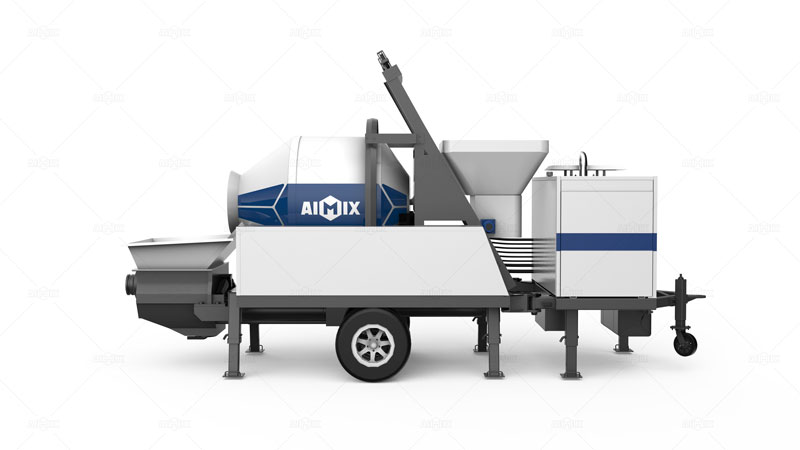
Building a 2-Story House? Here's Why a Mini Concrete Mixer Pump Makes Sense
Constructing a two-story residence introduces logistical complexities that single-level projects rarely encounter. Vertical concrete placement, restricted site access, and the need for consistent mix delivery across multiple elevations can quickly overwhelm conventional methods. Many self-builders and small contracting crews are discovering that compact, integrated equipment offers a remarkably efficient solution. Among these innovations, the mini concrete mix pump has emerged as a particularly compelling option for residential vertical construction.
Compact Footprint for Restricted Job Sites
Navigating Tight Urban Lots
Residential plots, especially in densely populated neighborhoods, often feature narrow access points and minimal maneuvering space. Bulky truck-mounted boom pumps simply cannot squeeze through alleyways or fit within cramped property boundaries. A mini mixer pump, by contrast, boasts a diminutive chassis that navigates gates, driveways, and pedestrian pathways with relative ease, making it an ideal companion for infill construction projects where every square meter of clearance matters.
Reduced Setup and Mobilization Time
Larger pumping units demand extensive outrigger deployment, stabilization procedures, and crew coordination before operation can commence. Mini mixer pumps, conversely, require minimal setup—often achievable by a small team within mere minutes. This streamlined mobilization translates directly into reduced labor overhead and allows for spontaneous scheduling adjustments, particularly valuable when weather windows or material deliveries shift unexpectedly.
Integrated Mixing and Pumping Capabilities
Eliminating the Need for Separate Batching
One of the standout advantages lies in the unit's dual functionality: mixing and pumping occur within a single integrated system. This eliminates the traditional dependency on separate batch plants or ready-mix deliveries, which can be subject to scheduling delays, traffic congestion, and minimum order quantities. Operators can proportion materials on-site, ensuring freshness and reducing the risk of premature hydration during transit.
Consistent Output for Vertical Pours
Two-story construction frequently necessitates pumping concrete to elevated formwork for slabs, beams, and columns. Mini concrete pumps for sale typically feature robust piston or rotor-stator mechanisms capable of delivering consistent volumetric output even against vertical head pressure. This consistency minimizes segregation risks and honeycombing defects that can compromise structural elements when concrete is poured in an erratic, stop-start manner.
Cost-Effectiveness for Small-Scale Projects
Lower Capital and Rental Expenditure
Renting or purchasing a full-sized concrete pump represents a substantial financial outlay, often disproportionate to the modest volume requirements of a residential build. Mini mixer pumps occupy a more accessible price bracket, allowing smaller contractors and owner-builders to incorporate mechanized placement without straining their budgets. The reduced fuel consumption and simplified maintenance regimen further contribute to long-term economic viability.
Labor Savings Through Reduced Manual Handling
Traditional methods involving wheelbarrows and manual hoisting are notoriously labor-intensive and prone to inconsistency, particularly when transporting concrete to second-floor formwork. By automating both mixing and delivery, mini concrete mixer pump for sale substantially diminish the physical toll on workers while accelerating pour completion times. Fewer hands are required on-site, translating into tangible savings across the project's labor ledger without sacrificing placement quality or structural integrity.
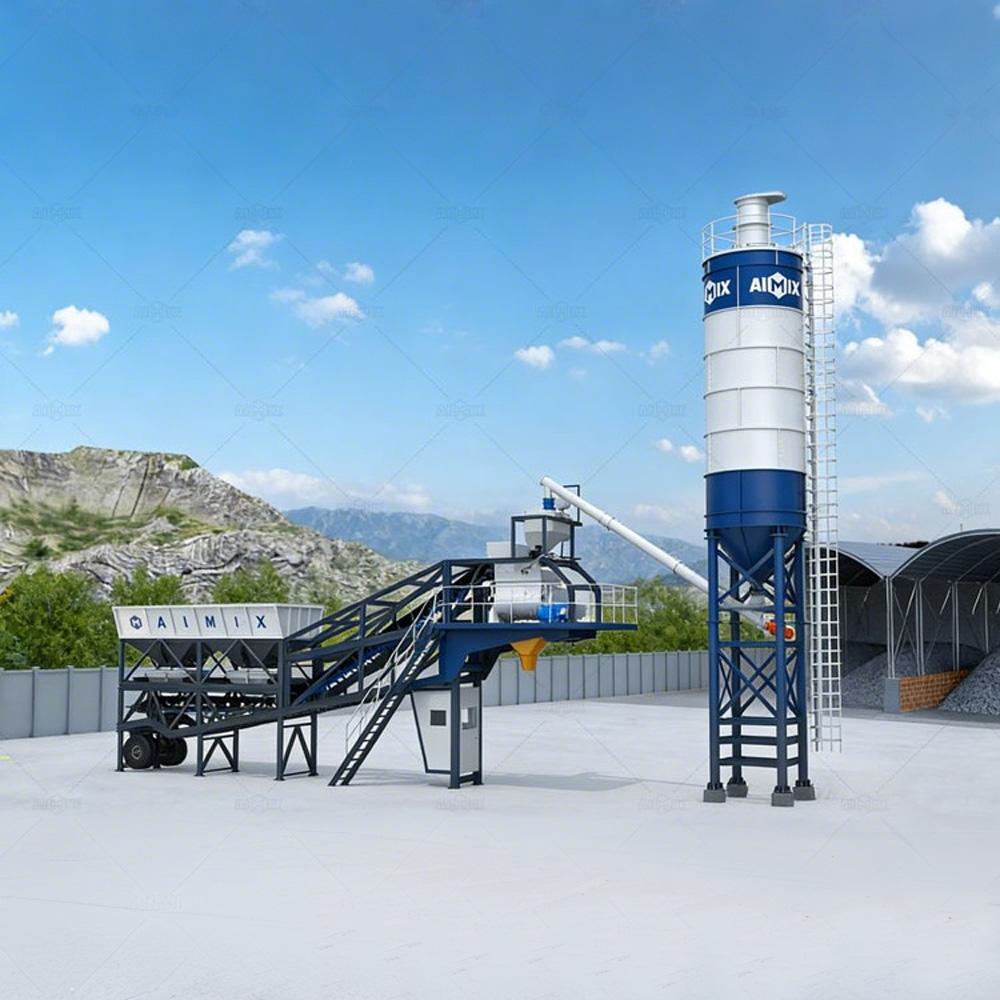
Evaluating Concrete Plant Supplier Quality: Certifications, Materials and Build Standards
Choosing a concrete batching plant is a bit like adopting a pet elephant. It is a big commitment. You will be living with it for years. Feeding it. Maintaining it. So, you want to make sure you pick a healthy one, right? The problem is that all suppliers look good in their brochures. The steel looks grey. The paint looks glossy. The control panels look flashy. But what is hiding underneath? How do you separate the concrete batching plant suppliers who build machines that last a decade from those whose machines start rattling after a single rainy season? The answer lies in three specific areas: certifications, materials, and build standards. By learning to read these tea leaves, you can evaluate a supplier's quality with the cold, hard logic of an engineer. And you can do it with a smile, because knowledge is power—and power saves you money. Let us dive into the fun world of ISO standards and metallurgy. I promise, it is more exciting than it sounds.
The Paper Trail: Certifications That Actually Matter
ISO 9001: The Baseline for Process
Let us start with the paperwork. Any supplier worth their salt should have ISO 9001 certification. This is the international standard for quality management systems. It does not guarantee the machine is perfect, but it does guarantee the factory has a process for catching mistakes. It means they keep records. It means they train their staff. It means when a weld fails, they can trace it back to the welder and the rod type. Without ISO 9001, you are buying from a workshop, not a factory. AIMIX, for example, holds ISO 9001 certification across its manufacturing facilities. You can verify this. Ask for the certificate number. Look it up on the ISO database. If the supplier hesitates or says "we are working on it," they are not there yet. Move on. There are plenty of certified fish in the sea.
CE Marking and Local Compliance
For suppliers selling into Europe or markets that accept European standards, CE marking is essential. This marking indicates the machine complies with EU safety, health, and environmental requirements. It covers everything from electrical safety to noise emissions. A legitimate CE mark is not a sticker. It requires technical files and testing. Beware of "fake CE" marks where the supplier just prints the letters on a plate. Ask to see the Declaration of Conformity. This document lists the specific directives the machine meets. For Asian suppliers exporting globally, having CE marking demonstrates a commitment to international standards. AIMIX and other top-tier Asian manufacturers provide genuine CE documentation for their export models. If you are buying in Africa or South America, CE marking is still valuable because it indicates a higher level of design rigor.
The Guts of the Machine: Materials and Metallurgy
Steel Grades and Thickness
Now we get to the fun part. What is the machine actually made of? Do not accept vague answers like "high-quality steel." Ask for the grade. For structural frames, Q235B or Q345B are standard Chinese grades, comparable to ASTM A36. For wear parts like mixer liners, look for Hardox or equivalent abrasion-resistant steel. The thickness matters too. A cheap plant uses 6mm steel for the main frame. A quality concrete batch plant for sale uses 10mm or 12mm. You can hear the difference when you knock on it. The thick steel sounds dead. The thin steel rings like a bell. Bring a caliper to the factory visit or ask the supplier to stamp the thickness on the inspection report. AIMIX publishes steel grades and thicknesses in their technical data sheets. This transparency is a good sign. A supplier who hides this information is a supplier who is using thinner steel than they should.
Fasteners, Welds, and Corrosion Protection
The devil is in the details. Look at the bolts. Are they grade 8.8 or 10.9? Higher numbers mean stronger bolts. Look at the welds. Are they continuous or stitch-welded? Continuous welds are stronger and resist fatigue better. Look at the paint. Is it a single coat of spray paint or a multi-stage process with primer and topcoat? Quality suppliers use shot blasting before painting to remove rust and create a surface the paint can grip. AIMIX uses a three-stage painting process on their export plants. This matters in coastal or humid environments where rust is the enemy. Ask for photos of the painting line. If the supplier cannot show you a controlled process, assume the paint will flake off within a year.
Build Standards: Assembly, Wiring, and Tolerance
Electrical Systems and Wiring Practices
Electrical problems are the number one cause of downtime in ready mix concrete plants for sale. A quality supplier uses branded components: Siemens, Schneider, or Omron for PLCs and contactors. They use wire ducts to organize cables. They label every wire at both ends. They provide a schematic diagram that matches the actual machine. Cheap suppliers use no-name electrical parts. They bundle wires with zip ties. They provide a diagram that is "generally similar" to the machine. When a fault occurs, troubleshooting becomes a nightmare. AIMIX uses European-branded electrical components on their premium lines and provides detailed schematics. Ask for a photo of the control panel interior. If it looks like a bowl of spaghetti, keep walking.
Alignment Tolerances and Assembly Jigs
The final indicator of quality is assembly precision. Quality suppliers use jigs and fixtures to ensure components align perfectly. The mixer shaft should be parallel to the drum axis within a fraction of a millimeter. The conveyor should track straight. Cheap suppliers eyeball the alignment. The result is premature bearing failure, belt misalignment, and uneven wear. Ask the supplier about their assembly process. Do they use laser alignment tools? Do they have documented tolerance standards? AIMIX provides alignment reports for their mixer units. This level of documentation is rare but valuable. It proves the supplier cares about the invisible details that determine machine longevity. A cheerful buyer is an informed buyer. Now go forth and inspect those welds.
The Logistics of Cement Supply: Why Your Portable Concrete Batch Plant Needs to be Near the Aggregate, Not the City
Conventional wisdom in the construction industry has long dictated that concrete production facilities should be positioned in close proximity to the point of consumption—the logic being that shorter transport distances minimize the risk of slump loss, segregation, and the logistical headaches of coordinating truck movements through congested urban corridors. Yet this assumption, while intuitive, often leads to operational inefficiencies that undermine the very benefits a portable concrete batch plant for sale is intended to deliver. A deeper examination of the supply chain reveals a counterintuitive truth: the optimal location for a portable batching operation is not necessarily near the city where the concrete will be poured, but rather in close proximity to the source of its most voluminous and weight-sensitive input—the aggregate. This inversion of conventional siting logic stems from the fundamental mathematics of material transport. A single cubic meter of concrete contains approximately 1,600 to 1,800 kilograms of aggregate, representing roughly 70 to 75 percent of the mix by weight. Transporting this mass over long distances consumes fuel, accelerates wear on haul vehicles, and introduces cost escalations that far outweigh the expense of moving the finished concrete itself. For contractors managing large-scale infrastructure projects or residential developments across Malaysia, understanding this logistics calculus can mean the difference between a portable plant that delivers on its promise of efficiency and one that becomes a costly exercise in misplaced optimization.
The Material Weight Equation: Why Aggregate Transport Dominates Logistics Costs
The economics of concrete production are fundamentally an economics of mass. Cement, water, and admixtures collectively account for a fraction of the total material weight in any concrete mix; aggregate constitutes the overwhelming majority. When a portable batch plant is positioned in an urban center, far from quarry sources, every truckload of aggregate must traverse the same congested roads, endure the same traffic delays, and consume the same fuel as the finished concrete would have, but with a critical disadvantage: aggregate transport cannot be optimized with the same delivery scheduling flexibility as ready-mix trucks. Quarries typically operate within restricted hours, and the availability of aggregate haulers often becomes a bottleneck that constrains plant output precisely when demand peaks. Furthermore, the cost per ton for aggregate transport is nonlinear—distance compounds not only fuel consumption but also vehicle wear, driver wages, and the opportunity cost of equipment tied up in transit rather than loading. A portable plant positioned within 10 kilometers of a reliable aggregate source captures immediate logistics efficiencies: haul cycles measured in minutes rather than hours, reduced fleet requirements, and the ability to draw from multiple quarry sources to maintain material consistency. These efficiencies translate directly to lower cost per cubic meter, providing a buffer that allows contractors to absorb the increased transport distance for finished concrete without eroding project margins.
Urban Site Constraints and the Hidden Costs of City-Centric Placement
Beyond the weight equation, the physical realities of urban construction sites impose constraints that make city-centric plant placement problematic. Portable batch plants require significant real estate for aggregate stockpiles, cement silos, admixture tanks, and the plant footprint itself. Urban project sites, whether for high-rise developments or infrastructure upgrades, rarely offer this space without sacrificing staging areas for formwork, rebar fabrication, or contractor trailers. The alternative—locating the plant at a satellite yard in the urban periphery—introduces double handling of materials, as aggregates must first be transported to the yard and then the finished concrete to the site. When a concrete plant for sale is instead positioned near the quarry, the aggregate stockpile area becomes effectively unlimited, limited only by the plant’s surge capacity. The urban site itself can then be dedicated to its highest-value use: accommodating the workforce, material storage for finishing trades, and the efficient flow of ready-mix trucks that arrive on a just-in-time schedule rather than as a continuous stream. This decoupling of plant location from pour location also provides flexibility that city-centric placement forecloses. A single portable plant positioned near a strategic aggregate source can serve multiple urban projects simultaneously, with finished concrete transported by dedicated mixer fleets optimized for city conditions. The plant runs continuously, unimpeded by urban delivery windows or site access constraints, while the mixers operate as the variable element that adapts to each project’s unique schedule and access limitations.
Quality Implications: Consistency Through Material Source Control
The case for quarry-proximate plant placement extends beyond logistics into the realm of quality assurance. Concrete consistency is fundamentally dependent upon aggregate uniformity—gradation, moisture content, and cleanliness. When a plant draws aggregate from a single quarry source with consistent material characteristics, the mix design can be optimized with precision. When the plant is located in the city, however, aggregate must often be sourced from multiple quarries to meet demand, introducing variability that requires constant adjustment to water-cement ratios and admixture dosages. The portable plant positioned near the quarry gains an additional quality advantage: the ability to manage aggregate moisture content in real time. Aggregate delivered from a nearby quarry arrives with moisture characteristics that are predictable and stable; aggregate that has been stockpiled at an urban yard, exposed to rain, sun, and the vagaries of urban microclimates, introduces moisture variability that undermines slump control. For contractors who prioritize finished concrete quality—particularly on projects with stringent smoothness specifications or exposure to aggressive environmental conditions—the ability to maintain tight control over aggregate characteristics through proximate sourcing represents a quality differentiator that city-centric placement cannot replicate.
Strategic Considerations for Portable Plant Deployment
Implementing a quarry-proximate strategy requires a shift in how contractors evaluate mobile concrete batching plant deployment. The decision is no longer simply a matter of finding the closest available land to the project site, but rather identifying the optimal intersection of aggregate source reliability, land availability, and transport corridors. Successful deployment begins with mapping aggregate sources within the project region, assessing not only distance but also quarry capacity, material quality, and operational hours. The selected plant site must provide sufficient area for aggregate stockpiling, typically two to three times the footprint of the plant itself, with hardstand surfaces that facilitate loader operations and drainage that prevents moisture accumulation. Access to arterial roads that connect the plant to urban project sites is essential, but the critical transport corridor is the short haul from quarry to plant—this route must support high-frequency, high-volume aggregate deliveries without seasonal interruptions. Contractors who have adopted this model report that the upfront effort to secure quarry-proximate sites pays dividends throughout the project lifecycle: reduced fuel consumption, lower vehicle maintenance costs, improved concrete consistency, and the capacity to scale production without waiting on aggregate deliveries. In an industry where margins are measured in basis points and delays cascade through project schedules, these operational advantages translate directly to competitive positioning. The portable batch plant, when deployed according to logistics fundamentals rather than conventional intuition, delivers on its promise of flexibility and efficiency—but only when placed where the weight is, not where the pour is.
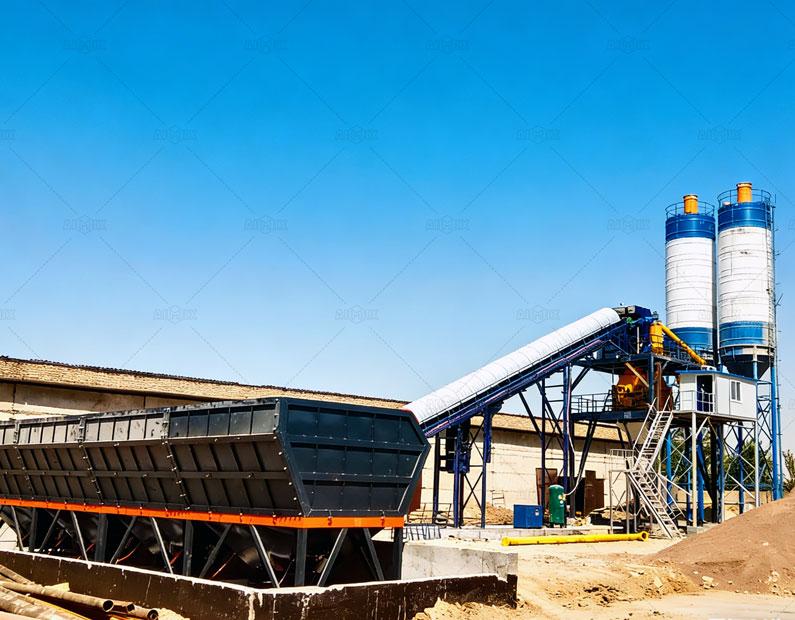
Green Concrete Production: Sustainable Practices for Stationary Batching Plants
Green concrete production has emerged as a pivotal innovation in the construction sector, offering a pragmatic response to mounting environmental concerns. As infrastructure demands escalate, stationary batching plants are uniquely positioned to adopt sustainable methodologies that mitigate ecological degradation while maintaining operational efficiency. Through deliberate material selection, process optimization, and emissions management, these facilities can significantly reduce their carbon footprint without compromising output quality.
Sustainable Material Selection and Resource Optimization
The foundation of green concrete lies in the judicious selection of materials. Traditional Portland cement, while ubiquitous, is a major contributor to carbon emissions. Substituting a portion of cement with supplementary cementitious materials such as fly ash, ground granulated blast furnace slag, or silica fume introduces a more sustainable paradigm. These industrial by-products not only divert waste from landfills but also enhance the durability and workability of concrete.
Equally important is the incorporation of recycled aggregates. Crushed concrete from demolition sites can be reprocessed and reintegrated into new mixes, reducing the demand for virgin raw materials. This cyclical utilization exemplifies resource stewardship. However, careful gradation and quality control are essential to ensure structural integrity remains uncompromised.
Water management further refines sustainability efforts. Stationary batching plants can implement closed-loop water recycling systems, capturing wash water and reusing it in subsequent batches. This approach conserves freshwater resources while minimizing wastewater discharge. Additionally, precise batching technologies reduce material wastage, ensuring that every kilogram of input contributes meaningfully to the final product.
Energy Efficiency and Emissions Reduction in Plant Operations
Operational efficiency within stationary batching plants plays a decisive role in advancing green concrete production. Energy consumption, often overlooked, constitutes a substantial portion of environmental impact. Transitioning to energy-efficient equipment, such as variable frequency drives and high-efficiency motors, can curtail electricity usage without disrupting production flow.
Renewable energy integration presents another compelling avenue. Solar panels or wind energy systems can supplement or even replace conventional power sources, thereby diminishing reliance on fossil fuels. While initial capital investment may be considerable, long-term savings and environmental dividends render this transition economically viable.
Dust and particulate emissions require meticulous management. Advanced filtration systems, including baghouse filters and enclosed conveyors, prevent airborne pollutants from escaping into the surrounding environment. Moreover, automated control systems enable precise monitoring of emissions, ensuring compliance with stringent environmental regulations.
Transportation logistics also warrant attention. Optimizing the proximity of raw material sources and delivery routes reduces fuel consumption and associated emissions. Some concrete batch plants for sale are exploring the use of electric or hybrid vehicles for material transport, further reinforcing their commitment to sustainability.
Process Innovation and Quality Assurance for Long-Term Sustainability
Sustainable practices must be underpinned by robust process innovation. Digitalization and automation have transformed stationary batching plants into highly responsive and adaptive systems. Real-time data analytics allow operators to fine-tune mix designs, monitor performance metrics, and identify inefficiencies with remarkable precision.
One notable advancement is the use of intelligent batching systems. These systems ensure exact proportioning of materials, reducing variability and enhancing consistency. The result is a superior product that requires fewer resources for maintenance and repair over its lifecycle. Longevity, in this context, becomes a cornerstone of sustainability.
Carbon capture technologies are also gaining traction. By capturing carbon dioxide emissions during the production process and incorporating them into the concrete mix, plants can effectively sequester carbon within the material itself. This innovative approach transforms a liability into a functional asset, aligning environmental responsibility with material performance.
Quality assurance remains indispensable. Rigorous testing protocols ensure that green concrete meets or exceeds conventional standards. Compressive strength, durability, and resistance to environmental stressors must be validated consistently. A sustainable product that fails prematurely undermines its ecological benefits, making reliability paramount.
Furthermore, workforce training plays an integral role. Operators and technicians must be well-versed in sustainable practices and emerging technologies. Continuous education fosters a culture of environmental accountability, ensuring that sustainability is not merely a procedural adjustment but a deeply ingrained operational ethos.
In conclusion, green concrete production within stationary ready mix batching plant represents a confluence of innovation, responsibility, and practicality. By embracing sustainable materials, enhancing operational efficiency, and investing in advanced technologies, these facilities can significantly reduce their environmental impact. The transition demands careful planning and commitment, yet the rewards—both ecological and economic—are substantial and enduring.
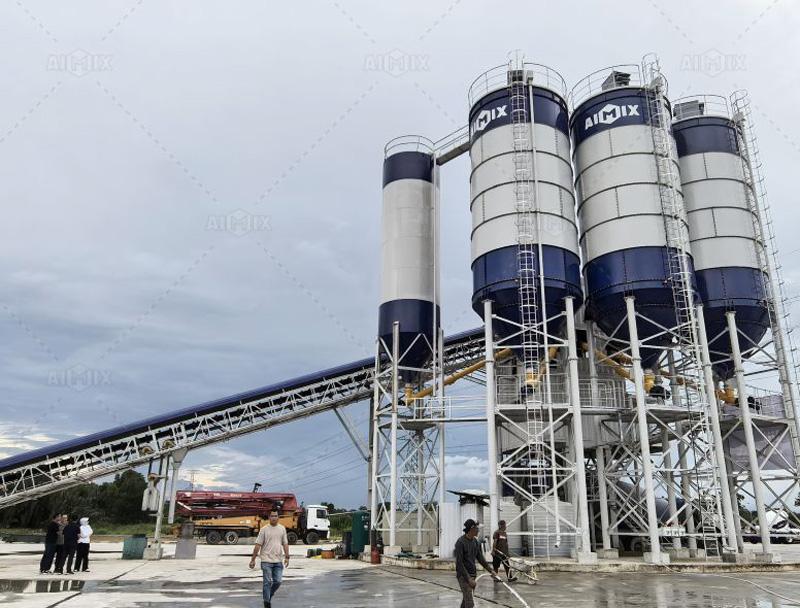
Saudi Market Outlook: Demand for Stationary Concrete Batching Plants in 2026
As Saudi Arabia forges ahead with its Vision 2030 agenda, the landscape of its construction sector is undergoing a profound metamorphosis. The era of sporadic, small-scale developments is giving way to a paradigm defined by mega-projects, economic cities, and sprawling industrial zones. This shift carries a direct and significant implication for the concrete production industry. The demand for mobile, transient batching solutions is being steadily eclipsed by a requirement for permanence, immense capacity, and unwavering consistency. Consequently, the outlook for the stationary concrete batching plant market in the Kingdom as we approach 2026 is not merely positive; it is positioned for robust expansion. These installations are becoming the silent anchors of the nation's most audacious builds, from the linear smart city of NEOM to the Red Sea tourism destinations, necessitating a deep dive into the factors that will shape procurement and demand in the coming years.
Giga-Project Momentum and the Need for Immense Throughput
The primary catalyst for the sustained demand for stationary plants is the sheer scale and velocity of the Kingdom's giga-project pipeline. As we move into 2026, projects like ROSHN, Diriyah Gate, and the various NEOM sectors will transition from planning and enabling works to full-scale construction. This phase demands an almost insatiable volume of concrete. A mobile plant, with its inherent limitations on aggregate storage and mixing capacity, simply cannot sustain the continuous, high-volume pours required for miles of tunnels, massive foundation mats, and complex structural frameworks. Stationary plants, engineered for throughputs of 100 cubic meters per hour or more, are the only viable solution.
These facilities can be configured with multiple silos and extensive aggregate stockpiles to ensure a buffer against supply chain disruptions. They operate as dedicated production hubs, often situated on or near the project site, eliminating the logistical complexities and quality degradation associated with long-haul transit from remote batching locations. For developers and main contractors bound by aggressive timelines and liquidated damages, the reliability and production capacity of a stationary concrete plant for sale are not just operational preferences; they are risk management tools. The forecast for 2026 indicates a continued premium on this kind of production assurance, driving procurement decisions toward larger, more permanent installations.
Evolving Quality Standards and Mix Design Complexity
Beyond the raw volume, the architectural and engineering ambitions of Saudi projects are demanding a higher degree of sophistication from concrete. The designs emerging from world-class consultants call for high-performance concrete (HPC), self-consolidating concrete (SCC), and mixes with specialized admixtures to combat the harsh local climate and ensure durability for centuries. Achieving this level of material science precision is exceedingly difficult with the less controlled environment of a mobile plant.
Stationary batching plants offer an unparalleled degree of process control. Their design inherently supports superior accuracy in weighing cementitious materials, water, and chemical admixtures. In 2026, we anticipate a surge in demand for plants equipped with advanced moisture probes in the mixers and sophisticated automation systems that can adjust the batch in real-time. This capability ensures that every cubic meter of specialized concrete leaving the plant meets the stringent slump flow and strength requirements. The market will increasingly favor suppliers who can integrate these quality control technologies directly into their plant offerings. The conversation is shifting from simply providing concrete to providing engineered material solutions, a niche where the stationary concrete plant in Saudi Arabia is the indispensable tool.
Strategic Localization and Supply Chain Resilience
The global supply chain volatility experienced in recent years has left an indelible mark on procurement strategy within the Kingdom. The reliance on imported components and extended lead times for critical spares is no longer acceptable for projects where downtime equates to millions in losses. This has catalyzed a dual trend in the stationary plant market outlook for 2026: localization of manufacturing and a heightened focus on after-sales support infrastructure.
We are witnessing a concerted push, in line with Saudi Vision 2030's goals, to increase the local content in heavy machinery. Contractors are increasingly seeking plants that are either partially or fully assembled within the Kingdom, which mitigates currency fluctuation risks and drastically shortens delivery timelines. Furthermore, procurement decisions are being heavily weighted by the vendor's proven ability to provide rapid on-site service and a local warehouse stocked with critical components. The plant itself, while crucial, is now viewed as part of a larger ecosystem. The winning bids in 2026 will not just be for the most efficient mixer or the largest silo; they will be for a comprehensive package that guarantees operational continuity through local expertise and readily available parts. This focus on resilience will solidify the stationary plant's role as the cornerstone of the nation's concrete infrastructure.
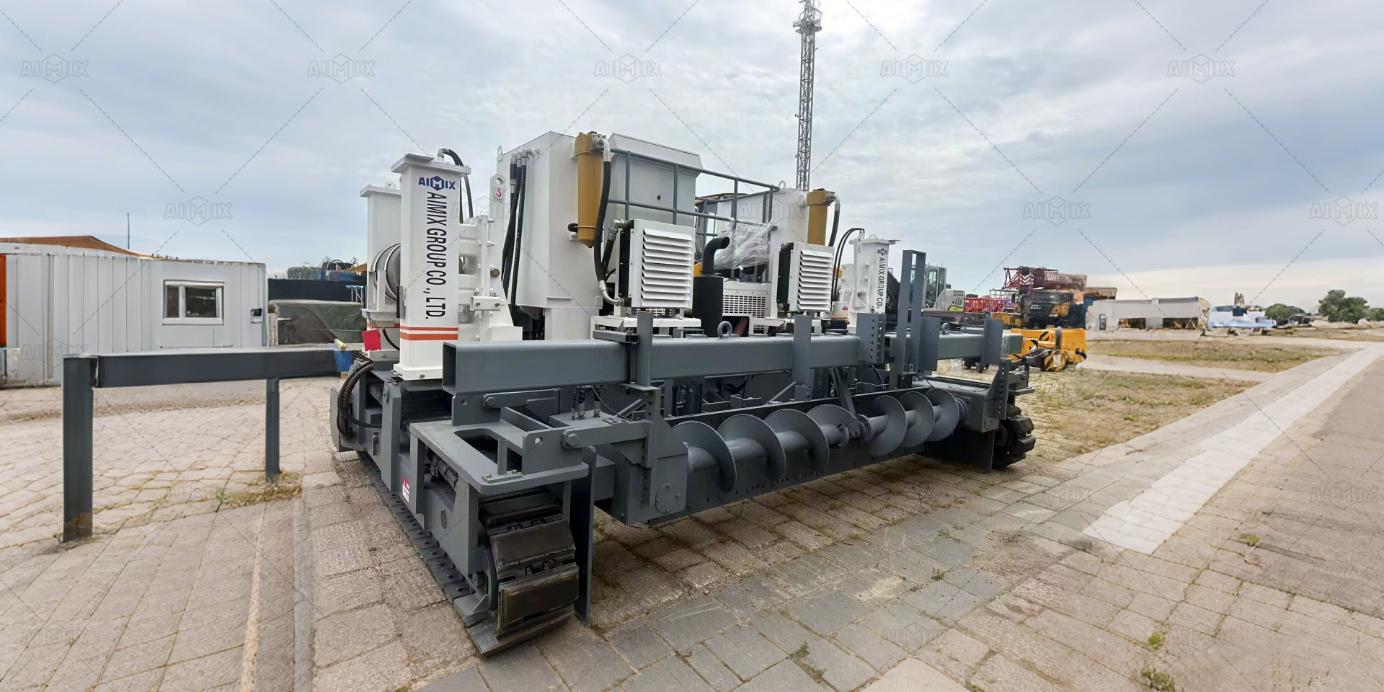
Coordinating Pour Rates, Crew, and Traffic When Using a Slipform Concrete Paver
The orchestration of a concrete paving operation extends far beyond the mere mechanics of the machine itself. When deploying a slipform concrete pavers machine, the project manager is effectively conducting a complex ballet of logistics, where the tempo is set by the pour rate, the performers are the crew, and the audience is the motoring public. A discordant note in any one of these sections can lead to a cascade of delays, safety hazards, and compromised pavement quality. Synchronizing these three critical elements—the relentless rhythm of the concrete delivery, the choreographed movements of the personnel, and the volatile flow of traffic—is the singular challenge that separates a successful project from a logistical quagmire.
Harmonizing Concrete Logistics with Paver Throughput
The slipform paver is an insatiable machine; its appetite for fresh concrete is constant and unforgiving. The cardinal rule of a smooth paving operation is that the paver should never stop. Interruptions in the pour create cold joints, density variations, and a compromised surface profile that is difficult, if not impossible, to rectify. Therefore, the pour rate must be meticulously calculated and matched to the paver's speed and the project's dimensions. This involves a granular understanding of the yield required per linear foot and the cycle times of the ready-mix trucks.
We must consider the round-trip transit time from the batch plant, the time for unloading, and the inevitable variability in truck arrivals. A common stratagem is to establish a surge pile or a dedicated staging area where a queue of trucks can accumulate. This buffer ensures that when the paver begins its advance, there is a continuous umbilical cord of material feeding the paving train. Coordinating this requires a dedicated spotter and a reliable communication system between the plant dispatcher, the truck drivers, and the paving foreman. The goal is to maintain a head of material in front of the paver's augers, typically between three to five metres, to ensure a consistent extrusion pressure and prevent the augers from starving, which would lead to a ragged edge and non-compacted concrete.
Synchronizing the Paving Crew for Maximum Efficiency
While the paver is the star of the show, the supporting cast of crew members is what allows it to perform flawlessly. A well-drilled crew operates with a silent, almost telepathic efficiency, each member anticipating the next move. As the pour rate increases, the crew's cadence must accelerate in lockstep. This begins with the placement of dowel baskets and tie bars ahead of the slipform paver. These must be set with laser-guided precision; any delay here will halt the entire train. Downstream, the finishers must be equally adept at walking backward with the machine, using their long-handled tools to close any minor surface tears or blemishes that appear behind the pan.
The application of curing compound is another task that must be perfectly timed with the paver's speed. If the crew falls behind, the concrete surface is exposed to the elements, risking plastic shrinkage cracking. Conversely, if they are too far ahead, they may disturb concrete that is still too green. The key is to establish clear roles and cross-train personnel. When a crew member understands the function of their colleagues, they can instinctively fill gaps during shift changes or unexpected delays. This synergy allows the team to maintain a high level of surface finish quality without becoming a bottleneck, ensuring that the machine's relentless progress is matched by the human element's meticulous attention.
Integrating Traffic Management into the Paving Cadence
Perhaps the most unpredictable variable in the equation is the traffic flow, especially on rehabilitation projects or highway widening where the work zone is adjacent to live lanes. Traffic control is not merely a safety measure; it is an integral component of the production schedule. Unexpected congestion, a stalled vehicle, or an impatient driver can create a phantom bottleneck that disrupts the supply chain of concrete trucks. If the approach to the paver is blocked, the carefully orchestrated queue of trucks stalls, and the paver's hopper begins to empty.
Effective coordination requires a proactive, rather than reactive, approach to traffic management. This involves setting up advanced warning signs to manage merging behavior well before the work zone, and employing temporary traffic signals or pilot cars for two-lane, two-way operations. The paving schedule should be integrated with known traffic pattern data. For instance, operations that require the highest consistency, such as paving adjacent to a bridge deck, might be scheduled during periods of lowest traffic volume. Communication spotters must be in constant contact with the paver operator to anticipate any disruptions to the material feed caused by a traffic backup. By treating the traffic flow as a variable as critical as the slump of the concrete, we can buffer the paving operation from the unpredictable whims of the open road and maintain the relentless forward momentum required for a superior result.
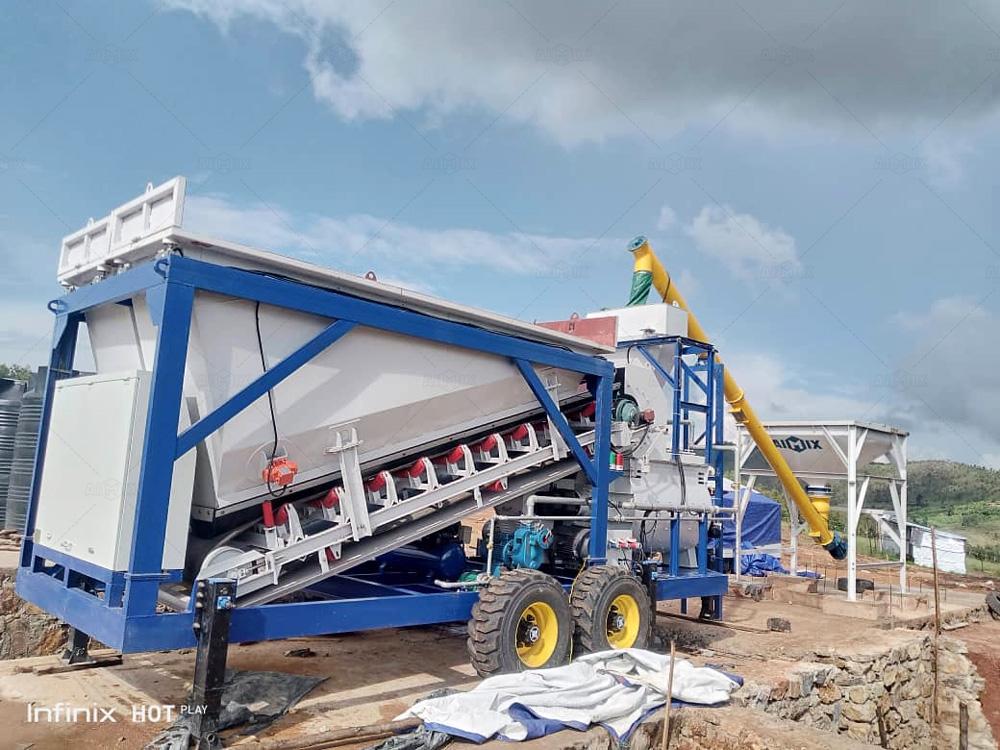
The Tanzania Opportunity: Target Pricing Strategies for Importing Portable Batch Plants
Tanzania’s construction sector is experiencing a pronounced upswing, driven by expansive infrastructure projects and rapid urbanization. For equipment importers, this surge presents a significant commercial opening, particularly for portable concrete batch plants which offer the mobility and efficiency demanded by remote and developing sites. However, seizing this opportunity requires more than just sourcing reliable machinery; it demands a meticulously calibrated pricing strategy that resonates with the local market’s unique economic landscape. The difference between a successful market entry and costly inventory stagnation often hinges on understanding the nuanced financial levers at play within this East African economic hub.
Deciphering the Tanzanian Procurement Psyche and Cost Variables
To construct an effective pricing model, one must first dissect the factors that influence a Tanzanian buyer’s decision-making process. Unlike mature markets where speed and advanced technology might be the primary drivers, the Tanzanian importer—often a mid-tier contractor or a project manager for a larger firm—is fundamentally concerned with total cost of ownership and operational viability. This necessitates a granular analysis of the landed cost, which extends far beyond the ex-factory price. You must account for maritime freight to Dar es Salaam, port handling charges, and the often-volatile customs duties which can significantly inflate the initial investment.
Furthermore, the scarcity of foreign currency and the fluctuating exchange rate of the Tanzanian Shilling against the US Dollar play a pivotal role. A mobile batching plant price quoted exclusively in USD might deter a buyer who holds local currency, whereas offering a stable USD-equivalent rate with a local currency payment option can be a powerful differentiator. It is also imperative to acknowledge the high cost of capital in the region; local interest rates for business loans are substantial. Therefore, your pricing must reflect an understanding that the buyer is not just purchasing equipment, but is also financing the risk of its deployment in often harsh, remote environments with limited technical support.
Strategic Pricing Models for Market Penetration and Growth
Adopting a singular, rigid pricing structure is a tactical error in a market as dynamic as Tanzania. Instead, a multi-pronged approach that segments the market based on buyer sophistication and project scope is advisable. For entry-level contractors or those bidding on smaller municipal projects, a **penetration pricing strategy** can be highly effective. By setting a competitively low initial price, you can rapidly build a user base and establish brand recognition. This approach, however, relies on volume and the subsequent revenue from after-sales service and spare parts to sustain profitability.
Conversely, for established firms engaged in large-scale infrastructure like roadways or airports, a value-based pricing model is more appropriate. Here, the price is predicated not on cost-plus calculations, but on the demonstrable value the small concrete batch plant brings to their operation. Highlighting the reduction in logistics costs due to on-site production, the speed of setup, and the consistency of the concrete mix allows you to justify a premium price point. You are selling a solution to logistical headaches and project delays, not merely a piece of steel and electronics. Additionally, exploring lease-to-own or vendor-financing options can unlock a segment of the market that has viable projects but lacks the immediate capital outlay, effectively monetizing future cash flows and fostering long-term client loyalty.
Mitigating Risks and Enhancing Value Through After-Sales Support
The final and perhaps most critical component of a successful pricing strategy is the integration of comprehensive after-sales support into the value proposition. In Tanzania, the specter of equipment downtime looms large, primarily due to a scarcity of specialized technicians and genuine replacement parts. An astute importer can leverage this concern by structuring prices that include robust warranties, readily available spare parts kits, and even initial on-site commissioning support. This transforms the purchase from a simple transaction into a partnership.
Your pricing should implicitly communicate that you are absorbing some of the operational risks for the client. For instance, offering a slightly higher upfront price that includes a comprehensive stock of critical spares and a dedicated local technical hotline can be far more attractive than a lower, "no-frills" price that leaves the buyer vulnerable. This strategy fosters trust and positions your brand as a reliable stakeholder in Tanzania’s development. By embedding these support mechanisms into your pricing architecture, you not only justify your margins but also create significant barriers to entry for competitors who may offer lower prices but lack the logistical network to support the equipment post-purchase. Ultimately, the most profitable strategy is one that aligns your success with the enduring operational success of your Tanzanian clients.
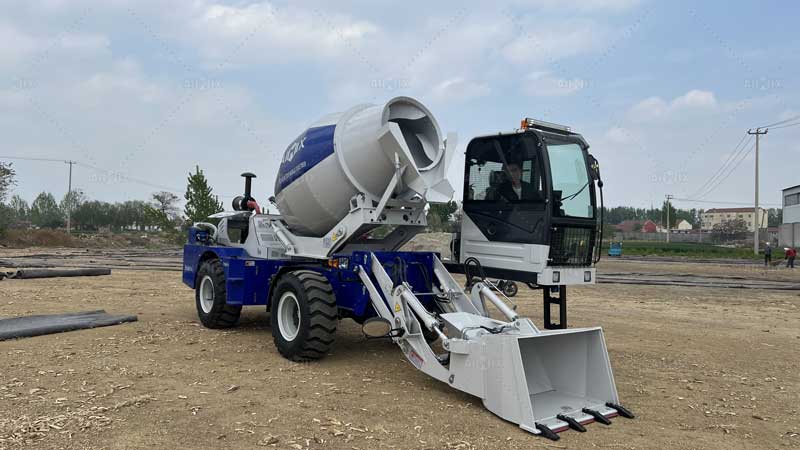
Self-Loading Concrete Mixers: The Perfect Solution for Construction in South Africa’s Varied Landscapes
The South African construction landscape presents a unique set of challenges, defined by its extraordinary geographical and climatic diversity. Projects unfold in dense urban hubs like Johannesburg and Cape Town, sprawling coastal developments, remote rural communities, and demanding mining or agricultural settings. In such a varied environment, reliance on a centralized, fixed supply chain for concrete can be a significant liability, leading to exorbitant costs, crippling delays, or outright project infeasibility. The self loading concrete mixer has emerged not merely as another piece of equipment, but as a strategic operational solution that directly addresses these pervasive challenges. By integrating the functions of material handling, batching, and mixing into a single mobile unit, this technology grants contractors unprecedented autonomy and flexibility, making it an indispensable tool for building efficiently across the nation's multifaceted terrain.
Conquering Logistical Frontiers: Access and Supply Chain Independence
A primary obstacle in South Africa is the limitation of logistics. Major ready-mix concrete suppliers are often centralized around urban areas or large industrial projects. For sites located in peri-urban townships, remote farming districts, or new developments with poor road infrastructure, the cost and reliability of concrete delivery become prohibitive. The self-loading concrete mixer machine renders this constraint obsolete. It operates with complete supply chain sovereignty. The machine is transported to the site, where it uses its own loading arm to aggregate stockpiles of sand, stone, and bagged cement. It draws water from a local source or its onboard tank. From these raw materials, it produces concrete on-demand, directly where it is needed. This capability is transformative for rural school builds, clinic construction, farm infrastructure, and community housing projects, enabling development in regions traditionally underserved by heavy industry.
Simultaneously, in congested urban environments or historic city centers with narrow access roads, delivering large ready-mix trucks is often impossible. A self-loading mixer, with its more compact footprint and ability to stage in a nearby accessible location, can produce concrete and place it via a chute or auxiliary pump, solving the "last-mile" delivery problem that frequently stalls urban infill and renovation projects.
Adaptive Engineering for Diverse Climatic and Topographic Challenges
South Africa's climates range from the arid Karoo and Kalahari to the humid subtropical coastlines and the cooler highveld. A self-loading mixer must be engineered to perform consistently across these zones. In hot, arid regions, machine reliability depends on robust cooling systems for the engine and hydraulics to prevent overheating. For coastal projects, corrosion-resistant components and treatments are critical to combat salt-laden air. Furthermore, the machine's material processing must adapt; in dry, dusty conditions, optimal water metering is essential to achieve a consistent, workable mix without waste.
Topography demands specific mechanical adaptations. For projects on steep slopes, unstable soils, or off-road sites, the choice of a four-wheel-drive chassis is non-negotiable. This ensures the machine can position itself safely and effectively on uneven ground. The machine's stability during the loading and mixing cycle is paramount, often requiring models with outriggers or exceptionally well-balanced designs. This terrain-specific engineering ensures that the mixer is not just mobile, but capably mobile across the full spectrum of South African ground conditions.
Economic and Operational Efficiency in a Dynamic Market
Beyond solving access problems, the self-loading concrete mixer for sale in South Africa presents a compelling economic case. It fundamentally alters the cost structure of concrete placement. By eliminating the transport premium from distant batching plants, it immediately cuts a major variable cost. It drastically reduces material waste through precise, batch-by-batch production, mixing only the volume immediately required. Labour efficiency is also enhanced, as a single operator can manage the entire process from loading to mixing to basic placement, consolidating tasks that would otherwise require a larger crew.
This operational efficiency translates into two powerful business advantages: timeline acceleration and bidding competitiveness. Contractors are no longer subject to the delivery schedules of third-party suppliers, granting them full control over their pour sequences and critical project paths. This reliability allows firms to submit more aggressive, realistic timelines in their tenders. The ability to guarantee concrete supply for logistically challenging sites becomes a unique selling proposition, enabling contractors to secure projects and expand their service offerings into new, profitable niches. In a competitive market, the self-loading concrete mixer is more than a machine; it is a platform for business growth, resilience, and superior client service, perfectly aligned with the practical demands of building across South Africa's magnificent and varied landscapes.
From Performance to Reliability: Why Sicoma Mixer on Concrete Plant Is a Top Choice for Clients
In the competitive landscape of concrete production, the selection of core batching plant components represents a critical strategic decision with profound implications for operational efficiency, product quality, and long-term profitability. The mixer unit stands as the unequivocal heart of any concrete batching plant, where raw materials are transformed into a homogeneous, specification-compliant final product. Within this context, the Sicoma mixer equipped on the concrete plant for sale has established itself as a preeminent choice for discerning clients globally, transcending mere equipment selection to become a cornerstone of reliable and high-output production. Its reputation is not built on marketing alone but is forged through demonstrable engineering excellence, superior material science, and a design philosophy that prioritizes longevity and consistent performance under the most demanding production schedules. For operators seeking to optimize their concrete production value chain, the integration of a Sicoma mixer represents a decisive investment in process integrity and plant uptime.
Unmatched Performance Through Precision Engineering
The performance pedigree of the Sicoma mixer originates from its meticulously engineered twin-shaft design, a configuration proven to deliver unparalleled mixing intensity and homogeneity. The synchronized counter-rotation of two robust mixing shafts, each fitted with precisely angled mixing arms and wear-resistant blades, creates a rigorous and efficient mixing action. This mechanism ensures a complete and turbulent intermingling of aggregates, cement, water, and admixtures within a remarkably short cycle time, typically achieving a homogeneous mix in 30 to 45 seconds for standard recipes. The forced mixing action is particularly effective for challenging concrete formulations, including those with low water-cement ratios, high paste volumes, or specialized additives like fibers and pigments, where lesser mixers would struggle with balling or segregation.
This engineering excellence directly translates to tangible benefits for the plant operator. The rapid, thorough mix cycle maximizes the ready mix concrete batching plant's hourly production capacity, allowing more batches to be completed within a given operational window. More critically, the consistency of the mix guarantees that every cubic meter of discharged concrete meets the precise design specifications for strength, slump, and durability. This eliminates batch-to-batch variability, a common source of quality control issues, rejected loads, and potential structural compromises. The mixer's powerful hydraulic or electromechanical drive system provides the necessary torque to handle stiff mixes and high-density materials without stalling, ensuring continuous operation and protecting downstream processes from the disruptions caused by incomplete or poorly mixed batches. The result is a production line defined by predictable throughput and guaranteed product quality.
Legendary Reliability and Durability in Demanding Environments
Beyond raw mixing power, the Sicoma mixer is renowned for its exceptional reliability and durability, characteristics born from superior construction and thoughtful design. The mixing chamber, or trough, is constructed from high-grade, abrasion-resistant steel plate, often with reinforced liners at critical wear points. The mixing shafts are manufactured from forged, heat-treated alloy steel, providing exceptional resistance to the cyclical torsional and bending stresses inherent in the mixing process. Sealing systems at shaft penetration points are multi-stage and robust, designed to prevent the ingress of abrasive paste and fines that would compromise bearing life. These components are not merely assembled; they are engineered as a cohesive system where every element contributes to extended service intervals and reduced total cost of ownership.
This focus on durability manifests in dramatically reduced maintenance demands and extended operational lifespan. Key wear components, such as mixing blades and liner plates, are designed for easy replacement, often without requiring specialized tools or major dismantling, thereby minimizing downtime during service. The bearing assemblies and gearbox are typically oversized for their rated duty, operating well within their design limits to ensure a substantial safety factor and long service life. For plant operators, this reliability is paramount. It translates to predictable maintenance schedules, reduced spare parts inventory costs, and, most importantly, maximum plant availability. In an industry where unscheduled downtime results in significant financial loss from idle labor, missed deliveries, and delayed projects, the Sicoma mixer’s reputation for relentless operation is a primary driver of its selection.
Intelligent Design for Operational Efficiency and Serviceability
The superiority of the Sicoma mixer extends into the realms of operational efficiency and serviceability through intelligent design features that address the practical realities of central mix plant management. The discharge gates are engineered for a clean, rapid, and complete emptying of the mixing chamber, which is crucial for maintaining batch cycle times and preventing residual material from contaminating subsequent mixes. Modern models incorporate advanced lubrication systems that automatically deliver grease to all critical bearing points at programmed intervals, ensuring optimal protection and removing a potential point of human error from the maintenance routine.
Furthermore, the design philosophy emphasizes accessibility. Inspection hatches, strategically placed, allow for quick visual checks of blade wear and chamber condition without disassembly. The electrical and hydraulic power units are often configured as standalone, plug-and-play modules, simplifying troubleshooting and component replacement. For plant managers, these features coalesce to create a mixer that is not only powerful and reliable but also straightforward to operate and maintain. This reduces the skill threshold for effective maintenance, decreases the time required for servicing, and ensures that the mixer spends the maximum possible time in productive service. The culmination of performance, reliability, and thoughtful design solidifies the Sicoma mixer's position not as a mere component, but as the foundational asset for a profitable, low-downtime concrete production operation. Its selection is a clear statement of commitment to quality, efficiency, and long-term operational success.
RMC Batching Plants: The Backbone of Construction—Who Are the Key Users?
Ready-Mix Concrete (RMC) batching plants are not merely pieces of industrial equipment; they are sophisticated, high-output production facilities that dictate the pace, cost, and quality of modern construction. Their role as the backbone is undisputed, but the ecosystem of entities that own and operate these concrete plants for sale is diverse and stratified. Understanding who the key users are provides critical insight into market dynamics, equipment specifications, and the overarching flow of construction material. These users are not defined by a single profile but by a common requirement for consistent, specification-grade concrete in volumes that make on-site mixing or small-batch supply economically and logistically untenable. Their operational models, however, differ significantly, ranging from commercial enterprises servicing open markets to strategic deployments for singular, monumental projects.
High-Volume Producers: The Commercial and Industrial Sector
The most visible segment of key users comprises commercial ready-mix concrete suppliers. These are independent companies, often with multiple plant locations strategically positioned around urban peripheries and growth corridors. Their business model is purely volumetric: they produce a range of standardized and specialty concrete mixes for sale to a broad clientele, including residential builders, commercial contractors, and civil engineering firms. For these suppliers, the batching plant is their primary revenue-generating asset. Efficiency, uptime, and precise quality control are paramount, as they compete in a market where reliability and consistency are the primary differentiators. Their plants are typically permanent, stationary installations with large aggregate and cement silo storage, designed for rapid batching and high truck-turnover rates to service a constant stream of transit mixers.
Alongside dedicated suppliers, large-scale contracting firms and vertically integrated construction conglomerates often operate their own RMC plants. This vertical integration is a strategic maneuver to internalize a critical supply chain, ensuring material availability for their own sizable projects while exerting direct control over cost and quality. For a contractor building a multi-phase residential township or a series of commercial towers, a captive batching plant provides a formidable competitive advantage. It eliminates reliance on external suppliers, protects against market price volatility, and allows for meticulous scheduling aligned precisely with project phases. These rmc batching plant may be semi-permanent, serving a cluster of company projects within a region before being relocated.
Project-Specific Deployments: Strategic and Temporary Installations
For certain endeavors of exceptional scale and remoteness, the RMC batching plant transitions from a fixed asset to a mobile, project-dedicated tool. This is the domain of mega-project consortia and special-purpose joint ventures. When constructing a major dam, a new international airport, a cross-country highway, or a remote industrial facility, the total concrete requirement is so vast and the location so specific that establishing a temporary, high-capacity batching plant on-site becomes the only viable solution. These plants are engineered for the project's life cycle, often featuring modular designs for easier erection and eventual demobilization. The key user here is the project entity itself, which manages the plant as a cost center rather than a profit center, with the singular objective of meeting the project's relentless pour schedule without interruption.
Similarly, government public works agencies and departments of transportation are critical users. For extensive infrastructure programs involving roads, bridges, ports, and public buildings, these agencies may elect to establish their own production facilities or enter into long-term supply agreements with dedicated plants. This approach guarantees material compliance with stringent government specifications, enables bulk purchasing economies, and ensures priority supply for critical national infrastructure projects. The plant operation in this context is closely tied to public procurement policies and long-term national development plans, with an emphasis on durability and lifecycle cost rather than just initial material price.
Niche and Specialized Operators
Beyond mainstream construction, RMC batching plants serve specialized industries with unique material requirements. Precast and prefabrication concrete manufacturers are prime examples. Their operations demand a relentless, high-volume supply of precise concrete mixes, often incorporating specific admixtures, colors, or finishes. A stationary concrete batch plant integrated directly into the precast yard is essential, feeding casting beds and forms with a continuous, consistent flow of material. The plant's mix designs are closely guarded recipes central to the manufacturer's product quality and brand identity.
Furthermore, large industrial complexes—such as oil refineries, steel mills, and power plants—and major mining operations frequently operate captive batching plants. Their need arises from continuous maintenance, expansion projects, and the construction of heavy industrial foundations and structures that require specialized, high-performance concrete (e.g., heat-resistant, chemically resistant, or high-density mixes). For these users, the plant is a supporting utility, much like a water or power station, essential for the ongoing operational integrity and expansion of the primary industrial facility. The common thread among all these key users is a dependency on controlled, industrial-scale concrete production. The RMC batching plant is the indispensable nexus where raw materials are transformed into the fundamental building block of the modern world, serving a clientele whose needs range from commercial commodity supply to mission-critical, project-specific execution.
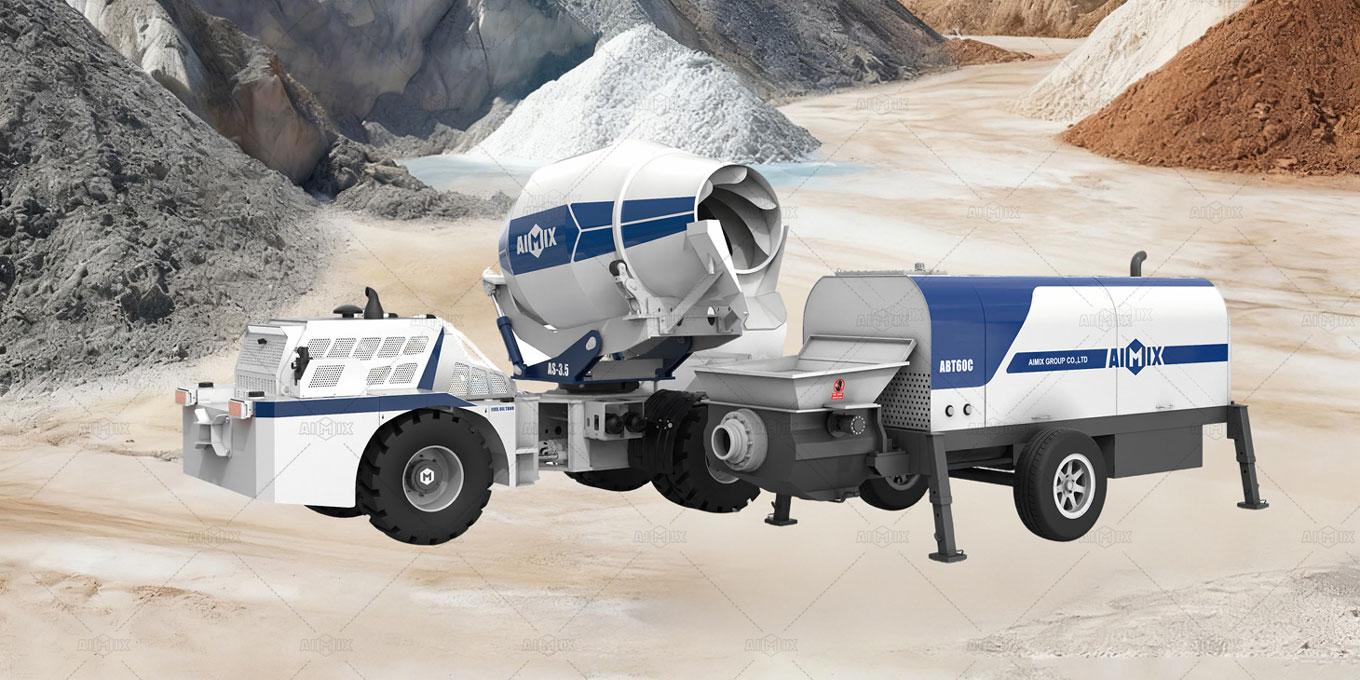
Starting Strong: Equipment You Can't Overlook in Your Concrete Business Journey in Nigeria
Launching a concrete production business in Nigeria requires a tactical understanding of both the market's demands and the local operational environment. Success is not solely determined by entrepreneurial drive but by the strategic acquisition of specific, foundational equipment. This machinery forms the operational bedrock upon which reliability, quality, and profitability are built. The initial capital outlay must be directed toward assets that deliver the highest functional return, ensuring the business can meet basic client requirements consistently before pursuing expansion. Overlooking any core component risks operational fragility, an inability to fulfill contracts, and damage to a nascent reputation. A methodical approach to equipment selection, prioritizing robustness and utility over sophistication, is paramount for establishing a resilient enterprise.
The Foundational Triad: Non-Negotiable Core Assets for Production
The business cannot function without the mechanical means to combine raw materials into a consistent, specifiable product. The central decision revolves around the type of concrete mixer. For a startup, a medium-capacity, diesel-powered mobile pan mixer or a twin-shaft mixer offers a balance of output, mix quality, and relative affordability. It provides more consistent results than makeshift drum mixers and can be trailer-mounted for some mobility between sites. Alternatively, the self loader concrete mixer presents a compelling integrated solution for contractors, combining loading, mixing, and limited transport in one unit, though at a higher initial cost. The choice hinges on whether the business model is based on a fixed-site supply or mobile contract work.
Equally critical is the material handling equipment. A robust wheel loader is not an auxiliary tool; it is the primary muscle for feeding aggregate into the mixer and managing stockpiles. In the Nigerian context, where manual labor is prevalent but slow for bulk handling, a loader dramatically amplifies daily production capacity and reduces physical strain on workers. Its reliability directly impacts output. The third pillar is a dedicated water supply system. This includes a high-volume storage tank or a reliable borehole connection and a motorized pump capable of delivering consistent water pressure to the batching area. Dependence on erratic municipal supply or manual water fetching introduces an unacceptable point of failure in the mixing process, compromising both consistency and production schedules.
Supporting Infrastructure: The Unseen Framework for Operational Continuity
The visibility of mixers and loaders often overshadows the essential, behind-the-scenes infrastructure that enables continuous operation. A predictable supply of quality aggregates is the first consideration. This may involve establishing a direct relationship with a reliable quarry or, for larger ventures, securing leases for small-scale aggregate production using a crusher and screen. On-site, prepared hardstand areas for segregating and storing different aggregate sizes (sharp sand, gravel, granite) are necessary to prevent contamination and ensure accurate batching. This organized stockpiling is a hallmark of a professional operation.
Given the persistent challenges with grid power, an industrial-grade diesel generator is a non-negotiable asset. The entire operation—from lighting and water pumps to the mixer’s engine starter and any workshop tools—depends on this independent power source. Its capacity must exceed the total connected load with a safe margin. Parallel to this is instituting a basic maintenance protocol from day one. This requires a dedicated, covered space for servicing, a core inventory of critical spare parts (filters, belts, hoses), and basic tools. Preventive maintenance, conducted rigorously, is far less costly than the catastrophic downtime of a failed loader or mixer during a critical pour. This infrastructure represents the operational discipline that separates sustainable businesses from fleeting ventures.
Strategic Scaling: The First Major Capital Leap for Market Expansion
Once the core production and support systems are operating profitably, the first strategic investment for growth is often a concrete pump for sale in Nigeria. Introducing pumping services radically expands the business's market reach. It allows the company to service multi-story projects, sites with difficult access, and clients who require precise, efficient placement. Owning a pump, even a smaller truck-mounted or trailer-mounted model, transforms the offering from merely selling concrete to providing a complete placement solution. This commands higher margins and makes the business a more attractive partner for larger contractors.
The final piece in the foundational equipment puzzle is logistics independence. While many clients may arrange their own transportation, owning a fleet of transit mixer trucks or robust tippers provides complete control over the delivery schedule and product condition. It ensures the concrete arrives within its specified workability window and allows the business to capture the full delivery margin. For a mobile operation using self loading mixers in Nigeria, a reliable flatbed truck or lowboy trailer for transporting the equipment is the equivalent critical asset. This investment untethers the business from third-party haulers, removing a major variable in service reliability.
Therefore, the concrete business journey in Nigeria starts not with a single machine, but with a synchronized system. The foundational triad of mixer, loader, and water system enables production. The supporting infrastructure of power, maintenance, and aggregate management ensures continuity. The strategic scaling assets—the pump and transport—unlock growth. Procuring this equipment in a deliberate sequence, with an emphasis on durability and serviceability for the local environment, establishes the operational strength necessary to navigate market competition and build a lasting enterprise.
Self-Loading Concrete Mixer Prices in South Africa: How to Get the Best Deal
Acquiring a self-loading concrete mixer in South Africa is a significant capital decision that extends far beyond a simple comparison of sticker prices. The market presents a complex matrix of options, where the initial purchase figure is merely the most visible component of a deeper financial equation. A serious investor must approach this procurement with an analytical framework, dissecting the interplay between machine capability, local market dynamics, and long-term operational costs. The objective is not to find the cheapest machine, but to secure the optimal asset that maximizes return on investment through reliability, productivity, and sustained resale value within the South African context.
Deconstructing the Price Point: A Multivariate Cost Analysis
The listed price of self loading concrete mixer is a function of multiple engineered variables. Capacity is the primary driver, with models ranging from compact 0.8 cubic meter units to substantial 4.5 cubic meter behemoths commanding proportionally higher investments. However, capacity alone is a crude metric. The sophistication of the hydraulic system, the quality and provenance of the chassis and engine, and the inclusion of advanced features like four-wheel drive, automated weighing systems, or enhanced cabin ergonomics introduce significant cost stratification. A machine with a reputable, globally-sourced diesel engine and proven hydraulic components will inevitably command a premium over a model assembled with generic parts. This initial cost disparity is not an arbitrary markup; it is a reflection of engineering integrity, durability, and ultimately, a hedge against future downtime. The analytical buyer must view the purchase price as a down payment on the machine's future performance and residual value, not as an isolated expense.
The South African Procurement Landscape: Navigating Local Realities
The South African equipment market is characterized by unique pressures that directly influence final cost structures. Currency exchange rate volatility against the Euro, US Dollar, and Chinese Yuan can cause substantial price fluctuations for imported machinery. Import duties, customs clearance fees, and port logistics add opaque but unavoidable layers to the landed cost. Furthermore, the physical environment imposes its own requirements. Machines destined for rugged outlying areas or mining applications may necessitate specific configuration upgrades—enhanced filtration systems, reinforced axles, or specialized tires—that impact the final quotation. A critical decision point exists between sourcing from a well-established local dealer and pursuing direct importation. The local dealer’s concrete mixer prices in South Africa includes a margin for their services: pre-delivery inspection, regulatory compliance (NRCS), warranty administration, and the maintenance of a local parts inventory. Direct import may offer a lower initial capital outlay but transfers all risks of damage, compliance, and after-sales support squarely to the buyer. The logistical and bureaucratic burden in this scenario is non-trivial and can quickly erode perceived savings.
Strategic Acquisition: A Framework for Optimal Investment
Achieving the best deal requires a methodical, step-by-step procurement strategy. It begins with an unflinching operational audit. Precisely define the typical mix design outputs, the average daily volume required, and the most challenging site conditions the machine will face. This needs analysis disqualifies unsuitable models immediately, preventing the costly error of under-specification or overcapitalization. With a shortlist of technically appropriate models, financial analysis must shift from price to total cost of ownership (TCO). Solicit detailed quotations that explicitly break down not only the machine cost, but also anticipated delivery lead times, warranty terms, and the cost of recommended initial spare parts packages. Due diligence is paramount. For used equipment, this necessitates an independent mechanical inspection. For new machines, it requires verifying the supplier's track record, visiting their facilities, and speaking to existing clients. Negotiation leverage is gained through this preparedness, allowing the buyer to argue from a position of informed strength rather than mere price sensitivity.
Beyond the Initial Purchase: Calculating Long-Term Viability
The true cost of a mini concrete mixer for sale is realized over its operational lifespan, not at the point of sale. A marginally cheaper machine supported by a weak local service network becomes a liability when critical components fail. Therefore, the post-purchase ecosystem demands rigorous evaluation. Investigate the availability and pricing of common wear parts like mixer blades, hydraulic hoses, and pump components. Assess the proximity and capability of the supplier’s service technicians. A premium paid for a brand with a robust, responsive support structure in Johannesburg, Durban, and Cape Town is often a wise insurance policy against protracted, revenue-killing downtime. Finally, project the machine’s financial contribution. Calculate the potential efficiency gains—reduced labor dependency, faster cycle times, on-demand batching—against the capital amortization and operating costs. The best deal is crystallized when the machine’s operational income generation demonstrably outpaces its TCO, solidifying its role not as an expense, but as a profit center for your business. This longitudinal financial perspective separates a shrewd investment from a costly procurement mistake.
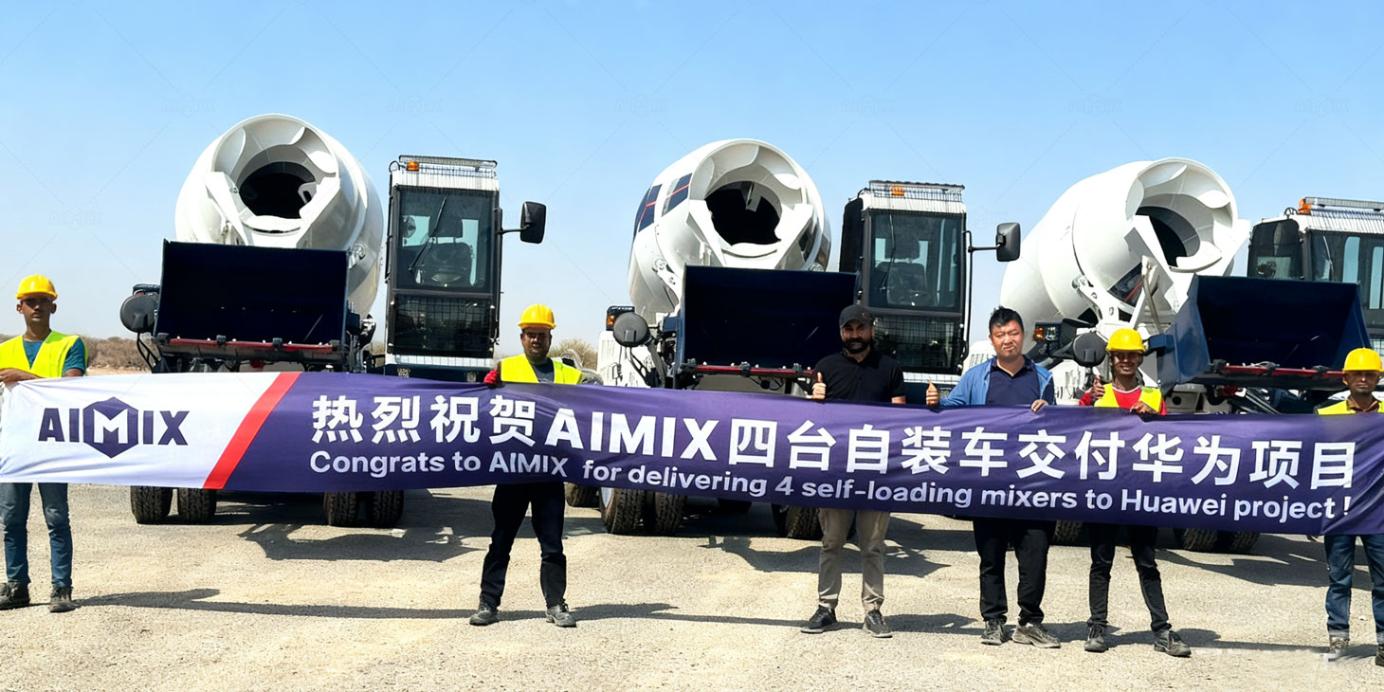
Local Production Vs. Imports: A Comparative Analysis Of Factors Affecting The Price Of Self-Unloading Concrete Mixers In Ethiopia
The procurement of self-unloading concrete mixers in Ethiopia presents a critical strategic decision for construction firms and equipment suppliers: to source from international manufacturers or to invest in locally assembled units. This choice extends beyond a simple comparison of two self loading concrete mixer price tags; it involves a complex analysis of disparate cost structures, supply chain vulnerabilities, and long-term operational considerations. Each pathway—importation versus local production—carries a distinct set of financial implications, influenced by global market forces, national economic policy, and domestic industrial capacity. A thorough understanding of these comparative factors is essential for making an informed investment that aligns with both immediate budgetary constraints and long-term operational sustainability.
The Import Equation: International Costs and Domestic Levies
The landed cost of an imported self-unloading mixer is an aggregate of multiple, often volatile, international and domestic charges. The journey begins with the Free On Board (FOB) large concrete mixer price from the manufacturer, which is subject to global fluctuations in steel prices, component scarcity, and currency exchange rates, particularly against the US Dollar or Euro. To this base cost, substantial maritime freight charges and insurance premiums must be added, figures highly susceptible to global shipping lane congestion and fuel price volatility. Upon arrival at the Port of Djibouti, the most common gateway, the importer encounters a series of mandatory fiscal obligations. These include customs duties, value-added tax (VAT), and potentially other surcharges, all calculated as a percentage of the steadily accumulating cost. The final, and frequently underestimated, component is the inland logistics cost. Transporting the heavy, oversized unit from Djibouti to its final destination in Ethiopia via specialized heavy-haul trucks represents a significant expenditure, influenced by fuel prices, road conditions, and transport availability. This multi-layered cost structure renders the final price of an imported unit sensitive to external economic shocks largely beyond the control of the Ethiopian buyer.
The Local Production Proposition: Advantages and Inherent Limitations
Local production, or more accurately, local assembly of self-unloading mixers, offers a different economic profile, primarily characterized by the mitigation of certain international costs. By sourcing some components locally or regionally and assembling the final product within Ethiopia, firms can avoid the totality of international shipping fees and reduce exposure to some currency exchange risks. This model also typically benefits from lower import duties on individual components or sub-assemblies compared to those levied on a complete machine, as per the country's industrial development policies. The most pronounced advantage is the potential reduction in lead times and improved after-sales support, as technical expertise and a basic inventory of spare parts are geographically proximate. However, this model faces its own constraints. The scale of local production may be limited, preventing the economies of scale achieved by global manufacturers. The quality and availability of certain high-specification components, such as specialized hydraulic systems or electronic control units, may still necessitate importation, subjecting a portion of the supply chain to the same external pressures. Furthermore, the initial capital investment required to establish or scale a competent local assembly operation is substantial.
The Total Cost of Ownership: A Holistic Financial Perspective
The most astute financial analysis moves beyond the initial purchase concrete mixer price in Ethiopia to evaluate the Total Cost of Ownership (TCO) over the equipment's operational lifespan. This comprehensive view incorporates factors where the origin of the mixer—imported or local—can have a profound impact. For imported units, the cost and lead time for genuine spare parts can be exorbitant, often requiring air freight during breakdowns, which results in costly downtime. Local production, with its established supply chain for commonly replaced components, may offer superior parts availability and lower logistics costs for maintenance, directly enhancing machine uptime. Conversely, the build quality and technological sophistication of a locally produced mixer must be scrutinized; inferior durability or efficiency can lead to higher long-term repair costs and lower resale value, negating the initial price advantage. Operational costs, such as fuel consumption influenced by engine efficiency, also contribute to the TCO. Finally, the cost of financing—interest rates on loans or leases—may differ based on whether the asset is sourced internationally or domestically, influenced by banking policies and risk assessments. Therefore, the optimal procurement strategy is not determined by the invoice alone, but by a detailed projection of acquisition, operation, maintenance, and residual value, carefully weighed against the specific operational tempo and risk tolerance of the purchasing entity within the Ethiopian market.
The Impact of Supply Chain on Self Loading Concrete Mixer price in Ethiopia
Let's be unequivocally clear: when you see the price tag on a self-loading cement mixer machine in Ethiopia, you are not merely looking at the cost of steel, hydraulics, and engineering. You are witnessing the brutal arithmetic of a fractured and unforgiving global supply chain. To discuss the price of this transformative machinery without a searing indictment of the logistical gauntlet it must run is an exercise in profound ignorance. The promise of this technology—to empower Ethiopian contractors, to accelerate national development, to build a modern infrastructure—is being held hostage by a cascade of external pressures and internal inefficiencies. This is not a simple matter of economics; it is a battle for the very pace of progress, and the supply chain is the contested battlefield. We must dissect this reality with unflinching honesty.
The Global Choke Point: How International Logistics Inflate Costs
The journey of a self loading mixer begins in a factory overseas, and its cost is irrevocably shaped long before it glimpses an Ethiopian port. The container shipping industry, a volatile and often predatory ecosystem, dictates a massive and unpredictable surcharge. Freight rates from manufacturing hubs in Asia or Europe are not stable; they are a rollercoaster of peak season premiums, fuel surcharges, and port congestion fees. A single geopolitical event or a spike in global oil prices can add thousands of dollars to the landing cost overnight. This is compounded by a critical shortage of specific components, such as semiconductor chips for advanced control systems and specialized hydraulic valves. This scarcity creates a brutal sellers' market for manufacturers, who pass these inflated production costs directly down the line. The final insult is the pervasive price of the US Dollar. Since all international trade is denominated in this currency, the weakening of the Ethiopian Birr against the dollar acts as a silent, relentless tax on ambition, making every single component and every nautical mile of transport more expensive. The machine arrives in Djibouti already burdened, its price swollen by forces entirely disconnected from its intrinsic value.
The Local Labyrinth: Navigating Ethiopia's Internal Distribution Hurdles
Clearing customs at the port is merely the end of the beginning. The subsequent journey from the dock to the dealership lot in Addis Ababa or a regional city is its own epic of cost escalation. Customs clearance, while improving, remains a labyrinth of bureaucracy, import duties, and administrative fees that can delay delivery for weeks. These delays are not free; they incur demurrage charges for every day a container sits in the port, a cost that is inevitably factored into the final sale price. Then comes the land transport. The limited availability of specialized low-loaders and heavy-duty trucks capable of transporting such machinery creates a logistical bottleneck. This scarcity allows transport providers to command premium rates. The condition of key arterial routes further exacerbates the problem, as wear and tear on transport vehicles and the need for slower, more careful travel all contribute to a higher final delivery cost. This domestic logistical tail is not a minor detail; it is a significant multiplier that can erode any potential savings from a shrewd international purchase.
Beyond the Price Tag: The True Cost of Supply Chain Fragility
Focusing solely on the initial purchase concrete mixer price in Ethiopia is a catastrophic error. The true, long-term cost of a self-loading mixer is inextricably linked to the resilience of its after-sales supply chain. What is the value of a machine that sits idle for months because a critical hydraulic hose or a proprietary electronic control unit cannot be sourced? The fragility of the spare parts pipeline is the ghost in the machine. Dealers who lack robust local warehousing or reliable air-freight agreements for essential parts effectively sell their customers a time bomb of downtime. This vulnerability forces a fundamental choice: do you invest in a cheaper, obscure brand with no local support, gambling your project timelines on the hope that nothing breaks? Or do you pay a premium for a established brand that has invested in a local parts inventory and trained technicians, thereby insuring your productivity? This is not a mere purchasing decision; it is a strategic calculation of operational continuity. The supply chain doesn't just dictate what you pay at the point of sale; it dictates the machine's earning potential and its ultimate return on investment. To ignore this is to build on a foundation of sand. The fight for affordable, reliable self-loading mixers in Ethiopia is a fight for a more robust and transparent supply chain from the factory floor to the final jobsite. Nothing less will suffice.
Concrete Mixer Prices in Kenya: How a $35,000 Investment Can Yield Quick Returns
In Kenya's rapidly evolving construction sector, strategic equipment acquisition is a primary driver of business growth and profitability. A concrete mixer represents a foundational investment, and a model in the $35,000 price bracket, such as a robust self-loading or medium-capacity drum mixer, occupies a strategic sweet spot. This investment level provides access to significant operational capability without the extreme capital outlay of larger, more specialized plant machinery. The financial viability of such a purchase is not based on speculation; it is a calculable outcome derived from market demand, operational efficiency, and sound business management. Analyzing the pathways through which this specific investment can generate a swift and substantial return provides a clear blueprint for contractors and entrepreneurs looking to capitalize on the country's infrastructure and real estate boom.
The Investment Breakdown: Understanding the $35,000 Asset
A $35,000 investment in a concrete mixer typically secures a machine with substantial capacity and modern features. This is not a basic entry-level model but a piece of equipment designed for serious commercial activity.
Capabilities of a Modern Mid-Range Mixer
At this price point, one can acquire a dependable self mixing concrete truck with a batch capacity of around 1 cubic meter or a high-quality stationary drum mixer with a complementary transit system. These machines offer a blend of productivity and durability, capable of producing the consistent, high-quality concrete required for everything from residential foundations to commercial slabs. Key features often include reliable diesel engines, water metering systems for precise mix ratios, and robust chassis designed to handle the rigors of Kenyan job sites. The operational autonomy of a self-loading model, in particular, eliminates the need for a separate loader, consolidating multiple functions into a single, cost-effective asset.
Beyond the Machine: Ancillary Costs and Considerations
The initial $35,000 is the core capital outlay, but a comprehensive budget must account for ancillary expenses. These include delivery and transportation costs to the site, initial registration and licensing, and a fundamental inventory of spare parts and maintenance tools. Furthermore, operator training is a critical, though often overlooked, component. A skilled operator maximizes the mixer's output, minimizes material waste, and ensures the machine is operated within its safe and efficient parameters. Allocating a small portion of the budget, typically 5-10%, for these initial setup and training costs is a prudent practice that safeguards the larger investment.
The Revenue Engine: Modeling the Return Trajectory
The return on investment is generated through the daily production and sale of ready-mix concrete. By modeling this revenue stream, the payback period becomes clearly visible.
Calculating Per-Cubic-Meter Profitability
The profitability of each cubic meter of concrete is the fundamental unit of the return calculation. The total cost of production includes raw materials (cement, aggregates, sand, water), fuel, routine maintenance, and operator wages. This total cost is then subtracted from the prevailing market rate for ready-mix concrete delivered on-site, which varies by region and project but represents a significant markup over material costs alone. The difference is the gross profit per cubic meter. For a well-managed operation, this margin can be substantial, allowing a significant portion of the revenue from each batch to be allocated toward recouping the initial investment.
Operational Scenarios and Payback Periods
The speed of return is directly proportional to the utilization rate of the mixer. In a high-demand scenario, such as supplying a medium-sized housing development or multiple smaller projects, a large concrete mixer for sale can easily produce 15-20 cubic meters of concrete per day. At this volume, the daily gross profit can be considerable. Conservative financial models indicate that with consistent work, the $35,000 investment can be fully recovered within an 8 to 14-month period. Following this payback phase, the machine transitions from a capital cost to a pure profit-generating asset, contributing directly to the business's bottom line for the remainder of its operational lifespan, which can be many years with proper maintenance.
Strategic Implementation: Maximizing the Investment's Potential
Simply owning the equipment is not enough; strategic deployment is key to accelerating returns and building a sustainable business.
Market Diversification and Service Offerings
To ensure consistent utilization, a savvy contractor will not rely on a single type of project. The mixer can be deployed across a diversified portfolio: residential building projects, small-scale commercial constructions, municipal works like drainage kerbs, and even agricultural projects requiring concrete for silos or water tanks. Offering additional services, such as providing the operator with the machine or offering different concrete mix designs, can create a competitive advantage and justify premium concrete mixer price in Kenya. This diversification mitigates the risk of work stoppages and ensures a steady revenue stream.
Maintenance and Resale Value: Protecting the Asset
A disciplined maintenance regimen is non-negotiable for protecting the investment. Adhering to the manufacturer's service schedule for engine oil, hydraulic filters, and grease points prevents major breakdowns and costly downtime. Keeping detailed maintenance logs also enhances the machine's resale value. The robust demand for quality used equipment in Kenya means that a well-maintained mixer can retain a significant portion of its original value after several years of operation. This strong residual value further improves the overall financial return, effectively reducing the net cost of ownership over the machine's productive life.
Tips On Getting A Trailer Concrete Pump Manufacturer
Should you purchase a trailer concrete pump? Should you, you should find a reputable manufacturer that provides you with one which is perfect for every job that you just do. These products are situated on a trailer that is specifically made to them, helping you to easily tow it for the job which you will quickly be on. They are fantastic for firms that are constantly taking remote jobs in various locations in their city. It allows them to quickly go there, complete the task, and proceed to another one. This is how you can find the least expensive manufacturers that create best concrete pumps for sale that are on trailers.
Best Places To Start Looking For A Trailer Concrete Pump Manufacturer
The first place that you need to go is online, specifically seeking websites that are marketing these items. They may offer advertising to ensure these businesses can sell their goods, wherever they are worldwide. You really should buy a diesel concrete trailer pump for sale because these are the basic easiest to utilize. There are specific aspects that you have to consider before buying one. Most of these attributes are listed on their websites for prospective customers to see.
.jpg?timestamp=1755568808146)
Best Features Of These Mobile Concrete Pumps
The very first thing you should look at may be the actual capacity in the concrete pump itself. Size really is everything in this industry. Obviously, it's going to be mobile, however, you thought about being as large as possible so that you can handle any job. The main oil pump must be from a manufacturer that is known. The diesel engine ought to be powerful enough to offer the concrete at maximum speed. Normally, this is measured by maximum delivery both horizontally and vertically, and also check out the type of hydraulic hose it really is using. Finally, pipeline parts and discharging diameters have to be compared so that you will get one that can operate on the highest level of efficiency.
How To Save Money If You Buy Something
You could make an order, and save a lot of cash, only by doing price comparisons. When you have found a website that will showcase all of these products, it will likely be easy to locate several which will look promising. According to your finances, plus the size of the static concrete pump for sale that you need, you will discover one which is always to your liking. You may soon have one who is delivered, able to use, that will assist you complete all your concrete jobs with your city.
.jpg?timestamp=1755568639286)
These are necessary for any construction company, or company that works well specifically with concrete, simply because you will always require one around for remote jobs that you are going to do. If you are taking even more of these than before, you might like to spend money on more than one so that you can complete the jobs on schedule. After you have purchased yours, you could possibly wonder how you had the ability to do all of your work without one that was this efficient. It's always a smart idea to up. To the best possible ready mix concrete pump on a trailer that you can bring together with you to accomplish work in the most cost effective manner. Start checking out the many trailer concrete pump manufacturers that happen to be online today.